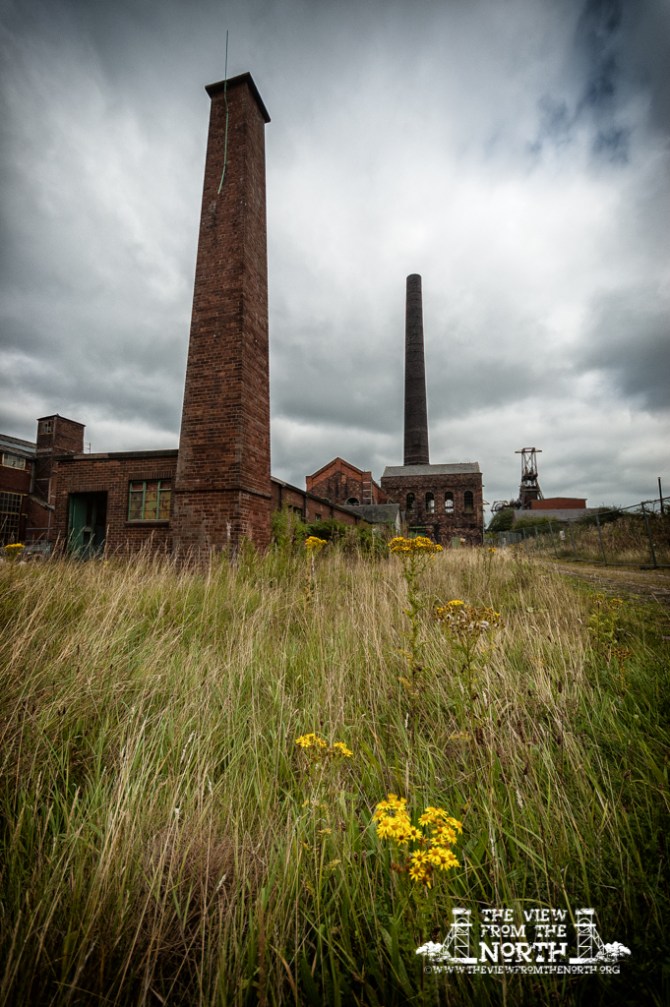
Another one from the archives here, this was an ‘official’ visit to this crumbling edifice on a so-called open day. Actually, that’s being harsh and doing a disservice to our guides from the Friends of Chatterley Whitfield, who are probably more disappointed about the condition of this place than anyone else, and I’m sure have the best interests of the place at heart.
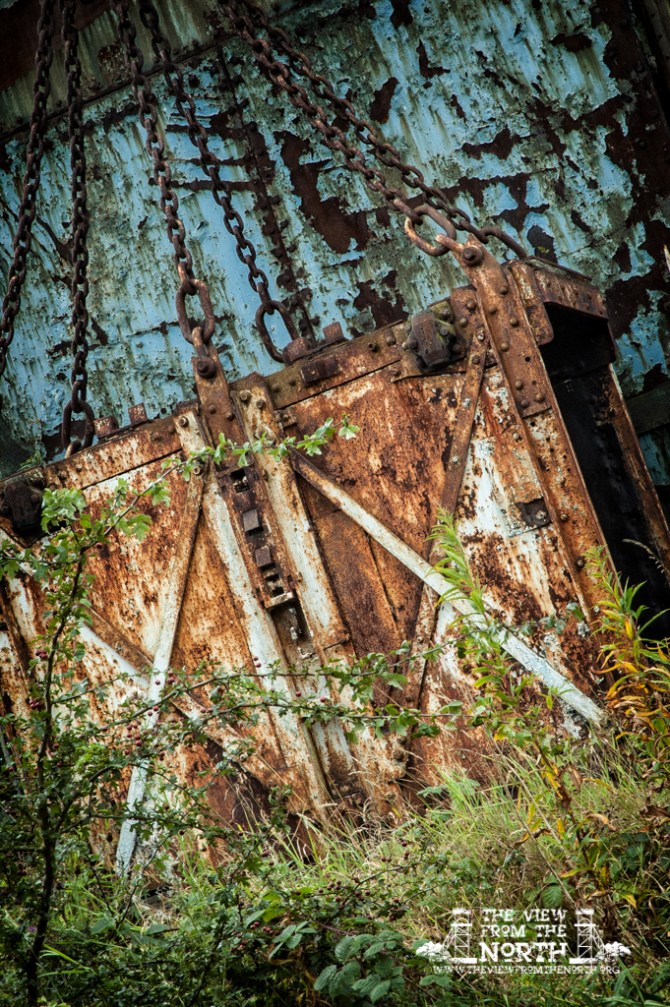
The colliery was one of the last in the Staffordshire coalfield, and upon closure, became a museum. however, this closed in 1993 due to drainage problems, but I’ve also heard that there were some other financial issues. However given the amount of infrastructure on site, the upkeep of the site must have been massive. That’s a great shame, because compared with other preserved collieries such as the National Coalmining museum in Yorkshire, it’s almost completely intact. Well, sort of. The majority of the site is out of bounds due to it being in such poor condition, indeed, I was speaking to a former NCB surveyor, who is now a consulting surveyor, and although he’d been asked to do a survey on the site, some bits they wouldn’t let him into due to it’s condition. That it’s been allowed to deteriorate to such an extent is scandalous, and English Heritage have already listed it as being ‘At Risk’ and requiring at least £25million to repair (although given that you have to use a cartel of suppliers named by English Heritage to repair listed buildings, that might be somewhat inflated?).
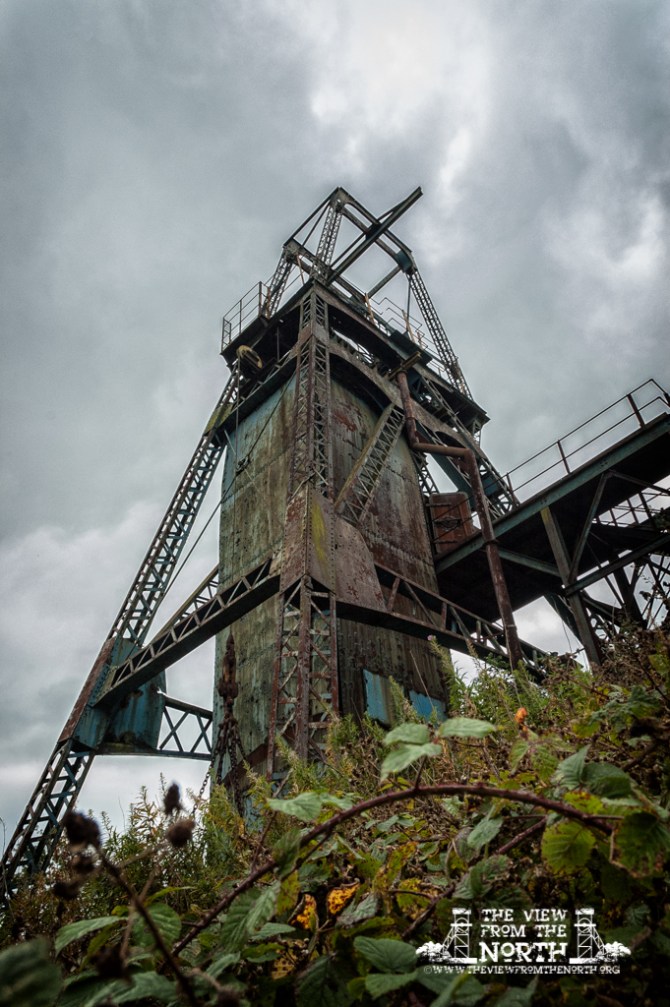
Platt Shaft
The worry is that the place will either just collapse, or end up having to be demolished. Given the lack of money around at the moment, especially amongst the public sector, I really cannot see how this place can be restored, at least not in its entirety. It would be a huge shame if it ended up as a watered down, stripped out museum like the National Coal Mining Museum (enjoyable though it is to visit).
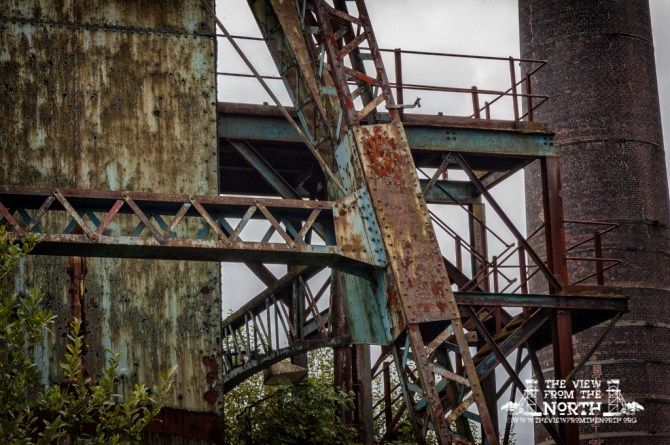
Industrial landscape
So as we walked through the miles of Herras fencing with our hard hats and an unusually high number of escorts / guides, we had to contend with looking at the buildings and headstocks from something of a distance. Yes, yes, I know all about H&S considerations, insurance, etc, but it would have been nice to have been allowed a bit closer or even in some of the buildings. The saving grace were our main guides, both former colliery workers, whose stories helped put a lot of the site into context, and it was worth the visit just for this alone.
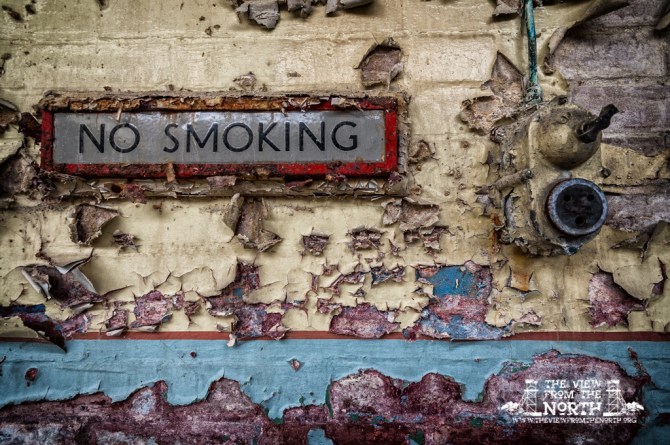
Decay
The only buildings we actually entered were the lamp house and the semi-restored bath house, where I was fortunate to be able to capture one of my favourite photos, ‘Colliers Boot’.
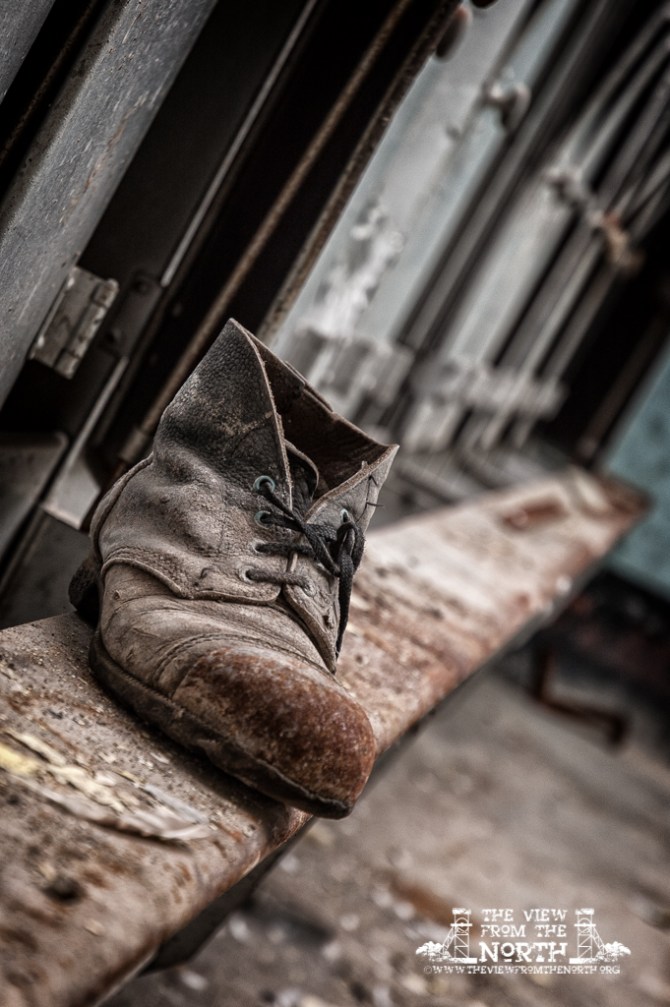
Colliers Boot
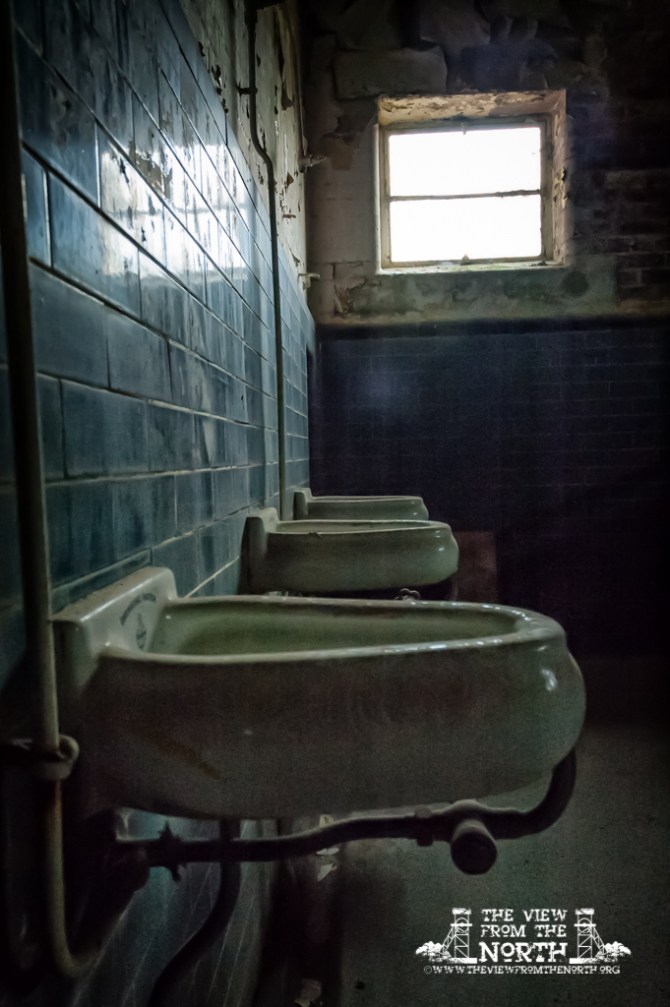
Sink – this being Stoke, I’d presume they were locally made
If you do get the chance to visit this place in one of the increasingly rare open days, do so, but don’t expect to see a great deal.
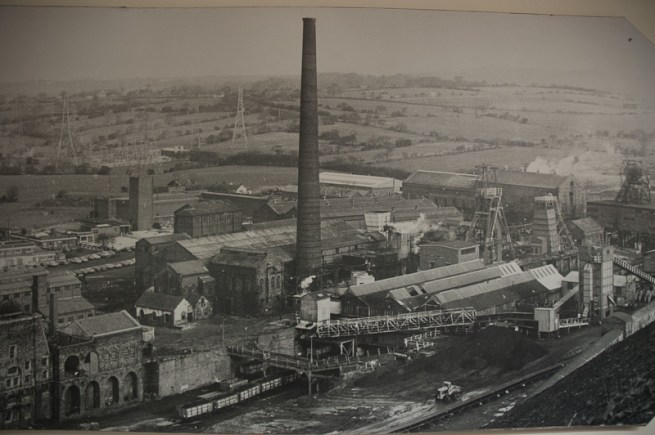
Former glory – probably taken some time in the 60’s or 70’s. Pretty much everything you see in this picture is still there.


Leave a Reply